The Quiet Art of Kyoto Kaiseki
Fourteen courses, unvarnished cedar, and an unwavering commitment to the fleeting nuances of the season.
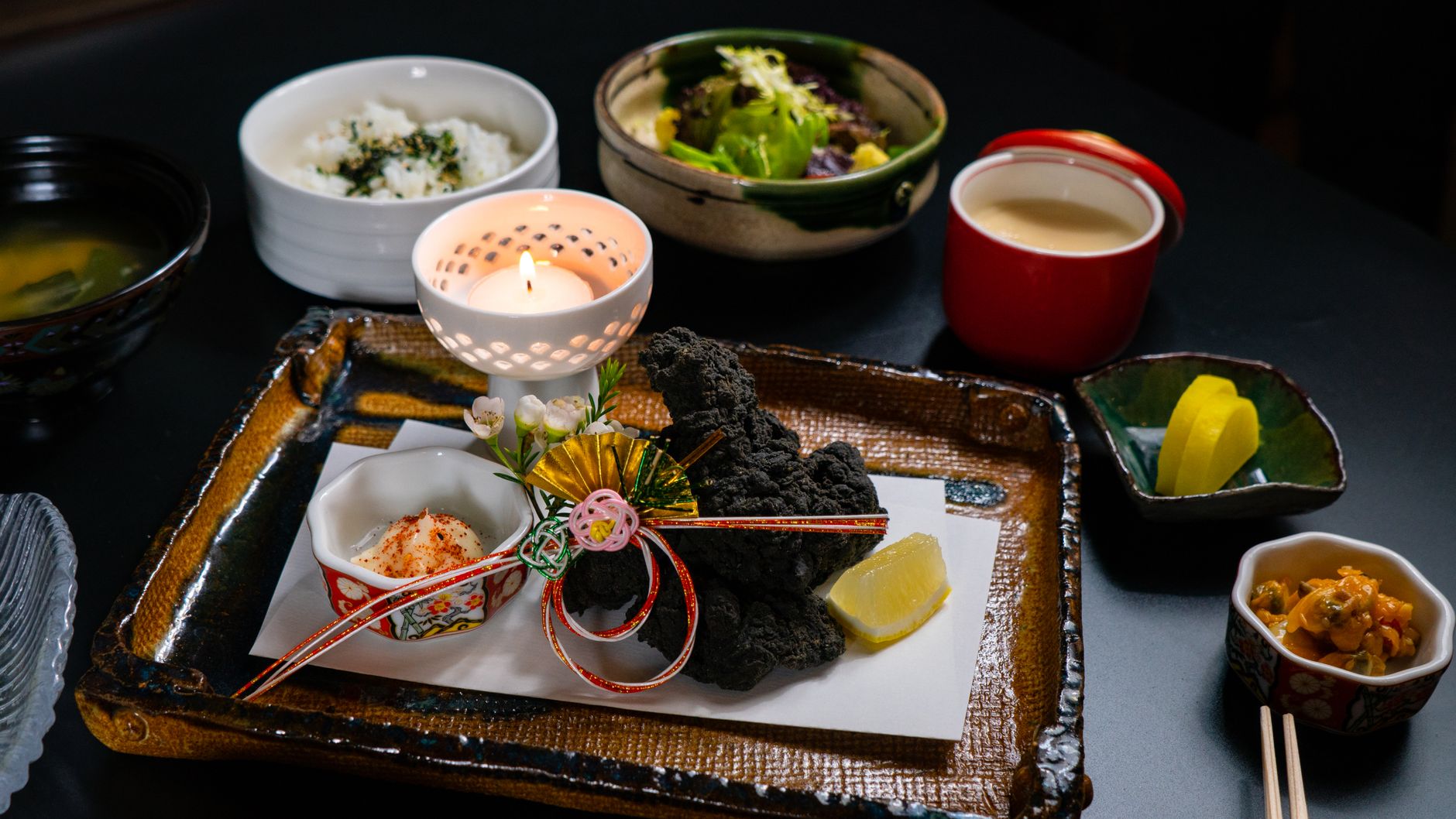
Down an unmarked alleyway in Gion, behind a sliding cedar door draped with an indigo noren, sits an eight-seat counter where time follows a different cadence. Here, Chef Morita prepares the spring menu—an ode to tender bamboo shoots, wild mountain greens, and freshly netted sweetfish from pristine Kyoto streams.
Kaiseki did not originate as a demonstration of culinary decadence. Its roots lie in the modest meal served alongside the formal tea ceremony (chano-yu), designed to sustain the spirit without dulling the mind. Each dish is treated as a fleeting canvas: the curvature of a ceramic dish mirrors the bend of a riverbank, while delicate garnishes evoke morning dewdrops.
"In kaiseki, perfection is not symmetry. It is the honesty with which a dish honors what the forest provides today."
Seasonal Micro-Moments
In traditional Japanese calendars, the year is divided into seventy-two micro-seasons (kō). A broth served on a damp Tuesday in early March will incorporate subtly different bitter herbs than one served just five days later. The guest is invited not merely to dine, but to observe nature's transition through flavor and texture.
To experience this cuisine at its finest, travelers are advised to bypass celebrity-focused venues and seek quiet ryokans situated along the northern fringes of Arashiyama or the slopes of Higashiyama, where chefs still draw morning well water and maintain private gardens.

Curate Your Asian Journey
Speak with 111111 curators to discover discrete culinary masters throughout Kansai.
Inquire About Travel Curation